

Recognizing and interviewing suspects with intellectual disability
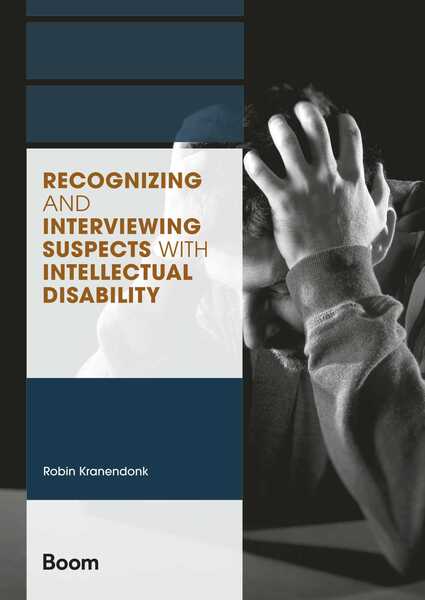


Detecting Suspects with Intellectual Disabilities
This book provides insights into the process of detecting suspects with intellectual disabilities (ID) during police interviews, and examines the impact of questioning techniques on suspects’ information disclosure. Suspects with ID are overrepresented in the criminal justice system, making it essential to safeguard their needs and rights while facilitating the disclosure of accurate and comprehensive information.
The Crucial Role of Interview Training
Drawing from literature, expert and practitioner interviews, and analyses of Dutch police interviews, this book highlights the crucial role of interview training. Furthermore, it offers recommendations to enhance ID detection, improve information gathering, and safeguard suspects with ID. The practical implications benefit both suspects with ID and broader investigative practices. This valuable resource for academics, police, law enforcement, and policymakers contributes to more effective and fair investigative procedures.

Verdachten met verstandelijke beperking onvoldoende herkend in politieverhoren
Eén op de drie verdachten in de verhoorkamer van de politie heeft een licht verstandelijke beperking, maar dat wordt lang niet altijd herkend. Deze verdachten krijgen vaak een verhoor op dezelfde manier als andere verdachten, blijkt uit nieuw onderzoek. Het mogelijke gevolg: verklaringen die onvolledig of zelfs onjuist zijn.
Lees hier verder.

